Blog
Why Clay Court Tennis Balls Are Different — And How to Choose the Right One
What Makes a Clay Court Tennis Ball Different
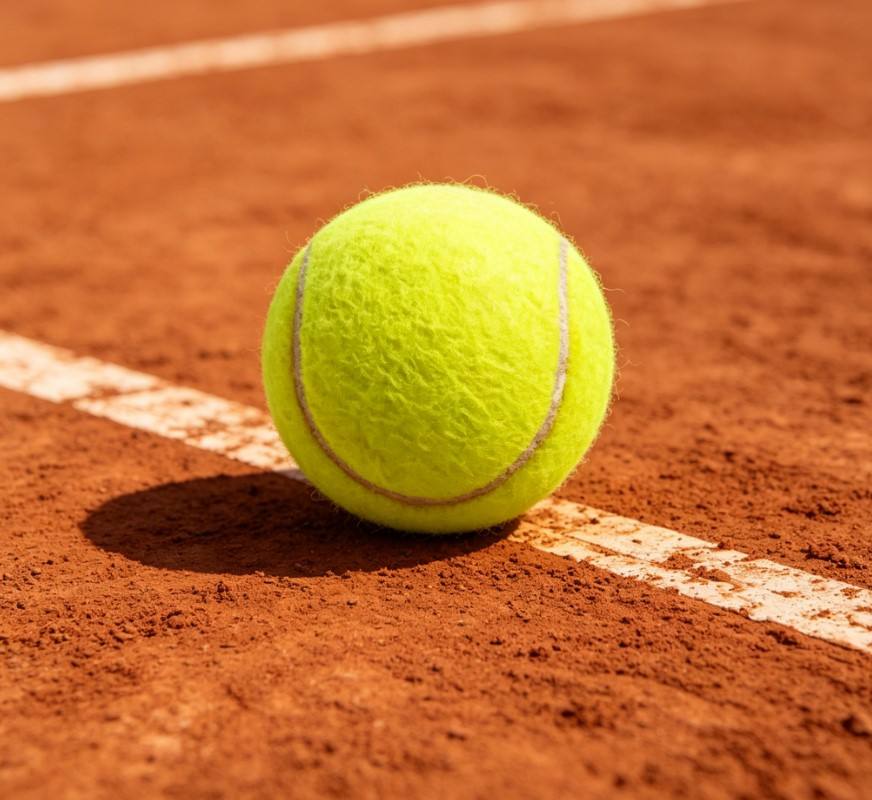
Walk onto a red clay court and the ball behaves in a way you immediately feel: it sits up higher, moves slower through the air, and grabs the surface on impact. That change is not just the court itself — the ball plays a role too. Clay court tennis balls are built with a slightly thicker, more durable felt designed to withstand abrasive clay particles while still producing the controlled, high bounce that clay players rely on.
- The Felt: Thicker, Tighter, More Abrasion-Resistant
On hard courts, loose clay digs into the felt and wears it down quickly. A clay-specific ball uses a denser woven wool/nylon blend that resists picking up dirt and fuzz. This keeps the flight stable and the bounce predictable for longer — even after multiple sets on a dusty Roland-Garros–style surface.
- Pressure: Consistent Feel Over Longer Rallies
Clay rallies are longer by nature. A quality clay ball maintains its internal pressure over extended play, so the first game and the ninth game feel nearly identical. Look for ITF-approved pressurized balls if the goal is tournament-style consistency; pressureless balls are better for high-volume coaching practice.
- Seam and Visibility
The standard optic-yellow felt with a crisp white seam remains the most visible choice against reddish clay. A well-bound seam prevents fluffing and keeps the ball round, which directly affects spin generation.
- Who Should Use Clay Court Balls?
Competitive players training on red or green clay. Coaches running long multi-hour sessions. Clubs looking for a ball that survives dusty outdoor courts. Recreational players who want a slower, more forgiving bounce.
Final Checklist Before You Buy
ITF approval for match-grade consistency. Thick felt for abrasion resistance. Consistent pressure — pressurized for matches, pressureless for coaching. Optic yellow for visibility on clay. Trusted manufacturer supply for bulk club or retail orders.
Choosing the right clay court ball is a small detail that changes the whole game. Match the ball to the surface, and your strokes — and your feet — will thank you.